At Home From Home Care, we are constantly exploring how innovation can enhance the lives of the individuals we support and improve the way care is delivered. Technology is now playing a pivotal role in transforming not just frontline care but also how services are managed behind the scenes.
In a recent blog for Skills for Care, our Executive Chairman, Paul de Savary, discusses how our approach to service management has evolved through the development of Zone Standard, our bespoke cloud-based platform designed specifically for complex care settings. The full article offers insight into our digital journey and how using data effectively can help shape better outcomes, both for those receiving care and the teams delivering it.
Why we built our own system
When we began our digital transformation, we found that many of the systems available simply didn’t meet the real-world needs of specialist care environments. They were often rigid, difficult to integrate, or not built with frontline teams in mind. That’s why we developed Zone Standard, a fully customisable, internally developed platform that sits at the core of how we manage and deliver care.
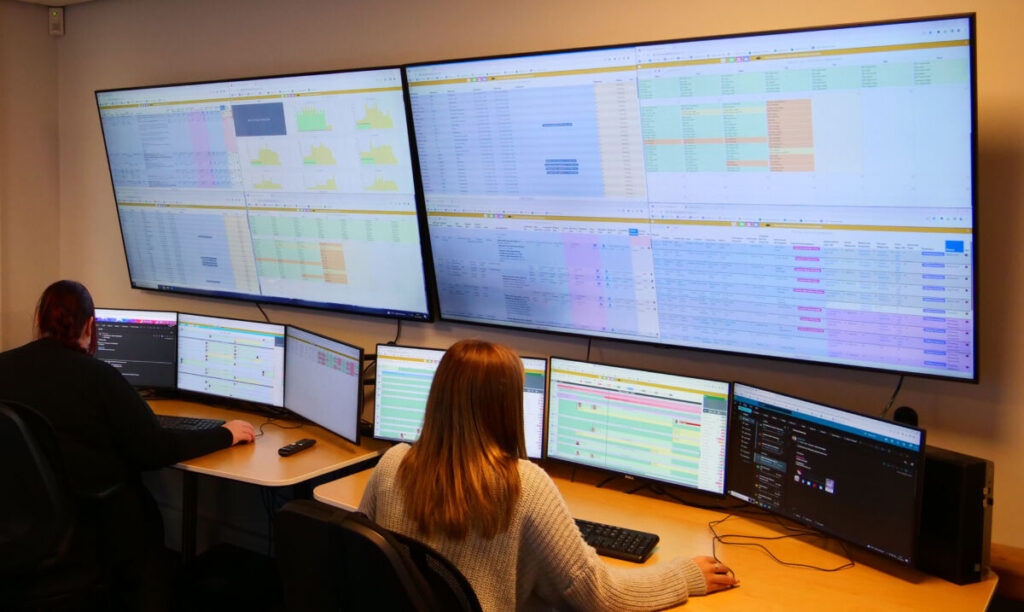
Built by our own team with input from across the organisation, Zone Standard is not just another care management tool. It has been shaped around how care is actually provided in a dynamic, person-centred setting. From staffing and compliance to proactive care planning and live service monitoring, the platform allows us to bring together multiple strands of service management into one place.
Contact us if you’re interested in finding out more.
Data that drives decisions
One of the biggest benefits of Zone Standard is its ability to collect, interpret and present real-time data in a meaningful way. This isn’t just about numbers, it’s about being able to see what’s happening across all our services at any given moment and respond accordingly.
Whether it’s anticipating staffing needs, flagging potential risks, or identifying where additional support may be required, the system empowers our teams to make faster, more informed decisions. It also means that rather than reacting to issues after they’ve happened, we can take a more proactive, preventative approach to care delivery.
Paul explains in the Skills for Care blog how this data-led method has helped us build services that are not only safer and more efficient, but also more responsive to the needs of each individual.
Supporting, not replacing, human care
It’s important to stress that technology in care should never replace people; it should empower them. At Home From Home Care, we see Zone Standard as a tool that supports our incredible staff, reducing admin pressure and giving them more time to focus on what matters: building relationships and delivering person-centred support.
By removing unnecessary paperwork and creating transparent workflows, we’ve seen improvements in staff confidence, service consistency, and quality assurance. The platform also supports professional development by helping managers and teams reflect on service performance and outcomes in a structured way.
Looking Ahead
The care sector continues to face enormous challenges, from funding and recruitment to regulatory pressures and increasing complexity of need. But within those challenges lies the opportunity to do things differently.
As Paul puts it:
“Technology isn’t a silver bullet, but it’s an enabler. Implemented correctly, it allows us to run our care service more efficiently, deliver highly personalised and nuanced care, and be proactive rather than reactive”
We believe that the future of care is collaborative, innovative and driven by evidence. Technology, when used thoughtfully, has a key role to play in helping providers stay ahead of the curve while never losing sight of the human side of support.
Find out more
To learn more about how Home From Home Care is using technology and data to transform service management, read Paul’s full article on the Skills for Care website.